

Omnichannel Marketing in 2025: The Power of AI-Driven Personalisation
July 3, 2025
How a Web Design Company Johannesburg Upgrades Your Website?
December 2, 2025

Building a Privacy-First Marketing Strategy
The digital marketing landscape is undergoing one of
its most transformative shifts in decades
Google’s long-anticipated phase-out of third-party cookies in Chrome—set to complete by 2025—is forcing marketers to rethink how they collect, manage, and activate consumer data. As privacy regulations tighten and consumer awareness around data usage grows, brands must now earn trust, prioritize transparency, and reimagine data-driven marketing in a cookieless world.
The end of third-party cookies isn’t the end of data-driven marketing—it’s a necessary evolution. Success in this new era lies in leveraging first-party data, consent-based practices, and emerging technologies like customer data platforms (CDPs) to deliver personalised experiences while respecting user privacy.
In this article, we’ll explore the impact of the cookieless future, why it’s happening, and how marketing teams can adapt to thrive through privacy-first strategies.
Why Are Third-Party Cookies Being
Phased Out?
For years, third-party cookies have enabled advertisers to track users across the web, build profiles, and serve targeted ads. While this capability fueled the rise of programmatic advertising, it also led to increasing concerns over consumer privacy, data misuse, and surveillance marketing.
With regulations like the GDPR (General Data Protection Regulation) in Europe and POPIA (Protection of Personal Information Act) in South Africa, global attention has turned toward ethical data usage. Tech giants are responding in kind:
- Apple implemented App Tracking Transparency (ATT), limiting app tracking on iOS.
- Mozilla Firefox and Safari blocked third-party cookies by default.
- Google Chrome, with over 60% of global browser market share, has followed suit, announcing the complete deprecation of third-party cookies by the end of 2025.
The key message is clear: Consumer privacy is now a competitive differentiator, not a compliance checkbox.
What This Means for Marketers
The removal of third-party cookies impacts key areas such as:
- Audience targeting: No more easy cross-site tracking.
- Attribution and measurement: Less visibility into the full customer journey.
- Retargeting campaigns: Traditional remarketing methods will need rethinking.
- Lookalike modelling: Without cookie-based profiles, building similar audiences becomes trickier.
But it’s not all bad news. These challenges present a powerful opportunity to build more ethical, trust-driven relationships with consumers by embracing first-party data and consent-based marketing.


The Rise of First-Party Data
First-party data is the information you collect directly from your audience through owned channels—websites, apps, email sign-ups, CRM systems, surveys, and customer interactions.
Because it's gathered with consent, first-party data is more accurate, relevant, and privacy-compliant than third-party data. More importantly, it allows you to create personalised, high-impact marketing experiences without relying on invasive tracking.
Benefits of First-Party Data:
- Trustworthy: Users knowingly provide it, improving accuracy and legal compliance.
- Owned and controlled: No reliance on third-party platforms or data brokers.
- Future-proof: It’s unaffected by cookie deprecation or platform restrictions.
- Better segmentation: You can build granular audience profiles using actual customer behavior and preferences.
The challenge, however, is collecting, managing, and activating this data effectively—which brings us to the role of Customer Data Platforms (CDPs).
Customer Data Platforms (CDPs)
The Heart of Privacy-First Marketing
A Customer Data Platform is a centralised system that unifies first-party customer data across all touchpoints into a single, real-time customer profile. CDPs allow brands to collect, segment, and activate data in ways that are both compliant and actionable.
By integrating web analytics, CRM systems, email engagement, purchase history, and even offline data, CDPs enable marketers to:
- Deliver personalised content and messaging
- Understand customer journeys across channels
- Segment audiences based on real-time behavior
- Sync data with ad platforms for targeting and suppression
Most importantly, CDPs respect user consent and privacy, allowing marketers to tag data by source, apply consent preferences, and comply with evolving regulations.
In a cookieless world, CDPs are becoming the new backbone of data-driven marketing.
Consent-Based Marketing
Respect is the New Currency
With privacy at the forefront, consumers expect to control how their data is used. Brands that prioritise consent and transparency don’t just comply with laws—they build long-term loyalty.
Key Elements of Consent-Based Marketing:
- Clear Opt-In Experiences:
Use plain language in your cookie banners and data collection forms. Explain what data is collected, how it’s used, and what value it provides to the user. - Preference Centers:
Let customers choose the types of communication they receive. Make it easy to manage preferences at any time. - Honest Value Exchange:
If you’re asking for data, offer something valuable in return—exclusive content, personalised recommendations, or early access to offers. - Transparent Data Usage:
Be upfront about where data is stored, who has access, and how long it’s retained.
Brands like Spotify, Netflix, and Takealot are successful not just because of personalisation—but because users feel in control. They know what data they’re giving, and they trust the brand to use it responsibly.
Contextual Targeting Makes a Comeback
With behavioural targeting taking a hit, marketers are revisiting contextual targeting—the practice of placing ads based on the content of a page rather than user data.
For example, a brand selling hiking gear might place ads on travel blogs, outdoor adventure sites, or YouTube videos about trekking. This method doesn’t rely on cookies but still reaches a relevant, interested audience.
Paired with AI-driven tools and real-time content analysis, contextual targeting is evolving into a powerful, privacy-friendly alternative to third-party tracking.
Adapting Your Strategy
A Privacy-First Playbook
To succeed in a cookieless future, marketers must act now. Here’s how to start:
- Audit Your Data Sources:
Understand where your data comes from, how it’s stored, and if you have permission to use it. - Invest in First-Party Data Collection:
Create more opportunities for customers to share information—quizzes, sign-ups, loyalty programs, and gated content. - Implement or Upgrade Your CDP:
Centralise your data, enforce consent policies, and activate insights across all touchpoints. - Educate Your Team:
Privacy-first marketing requires alignment between marketing, legal, tech, and leadership. Upskill teams on regulations and ethical data use. - Rethink Measurement & Attribution:
With limited tracking, lean on media mix modelling, first-party analytics, and conversion APIs to assess performance. - Communicate Transparently:
Make privacy part of your brand narrative. Let customers know you're working in their best interest.
The Future is Transparent, Trusted, and First-Party
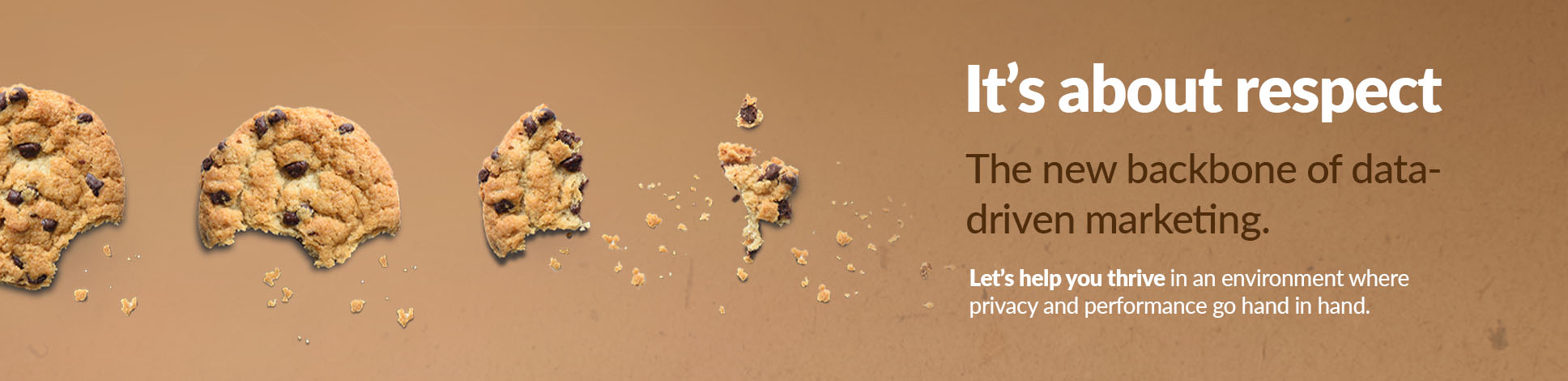
The cookieless future is not a threat—it’s an opportunity to build stronger, trust-based relationships with your customers. By shifting away from invasive tracking and toward first-party data, ethical practices, and transparency, brands can thrive in an environment where privacy and performance go hand in hand.
Consumers are more aware, more discerning, and more empowered than ever. The brands that succeed will be the ones that respect their data, earn their trust, and deliver value through meaningful, consent-driven experiences.