
QR Code Marketing for South African Businesses: Complete 2026 Guide
July 20, 2026
PPC Agency South Africa: How Paid Ads Deliver Faster ROI Than SEO in 2026
July 29, 2026
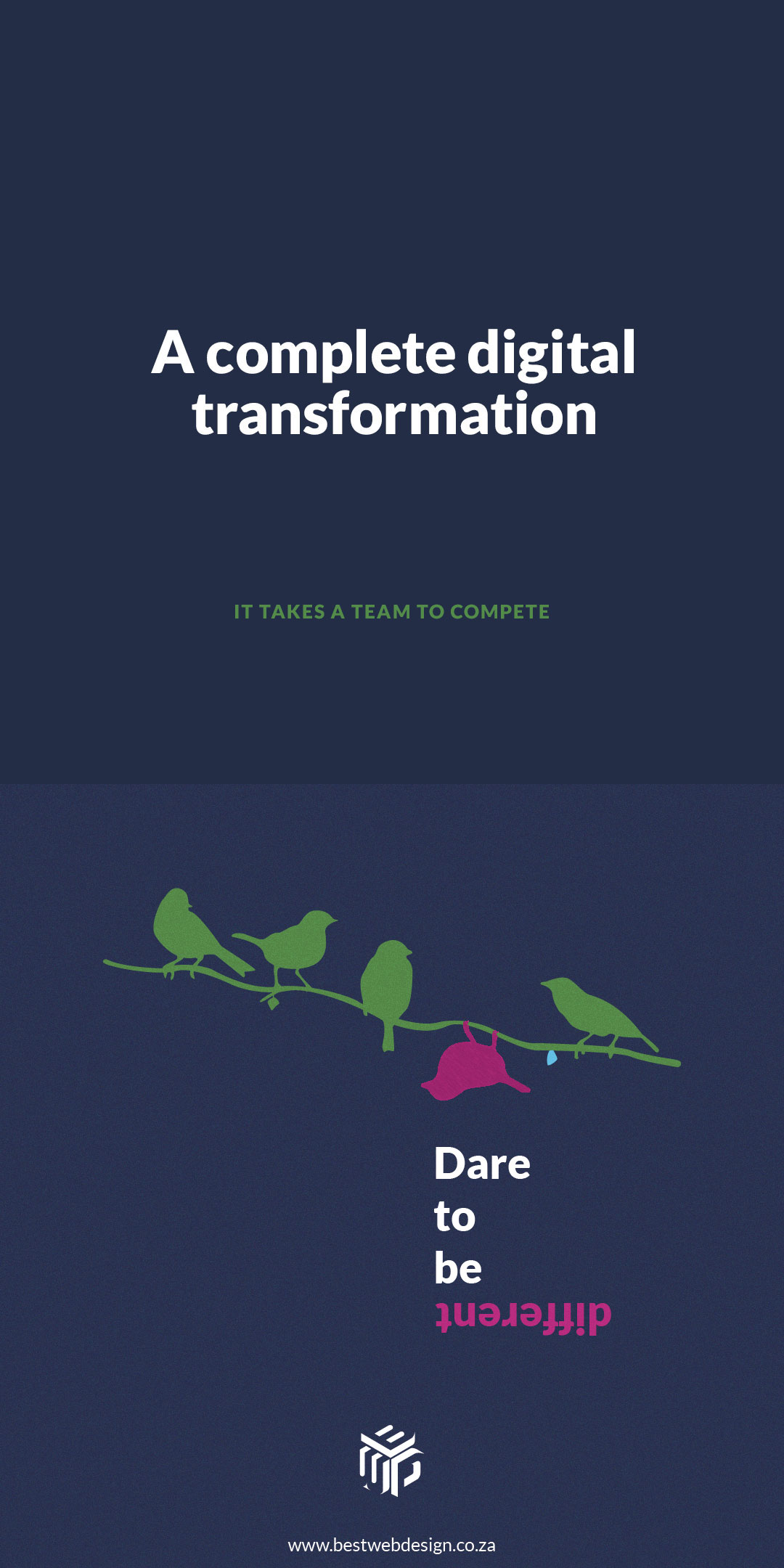
How Data Analytics Services Help South African Businesses Make Smarter Decisions in 2026
South African businesses are sitting on more data than ever before, yet most of it goes unused. Point-of-sale records, website traffic, customer feedback, and social media engagement pile up daily, but without the right tools and expertise, that information stays locked away instead of driving growth.
This is where professional data analytics services come in. In 2026, data analytics has moved from a "nice to have" into a core requirement for businesses that want to compete, whether they're a retailer in Durban, a fintech startup in Cape Town, or a manufacturing firm in Johannesburg. Companies that invest in data analytics services are making faster, better-informed decisions, cutting wasted spend, and building stronger relationships with their customers.
In this guide, we'll break down what data analytics services actually involve, why data analytics Johannesburg businesses are prioritizing this now more than ever, the different types of analytics available, and how to choose the right partner for your business. We'll also cover how artificial intelligence is reshaping the field and answer the most common questions business owners ask.
What Are Data Analytics Services (and Why They Matter in 2026)
Data analytics services involve collecting, cleaning, processing, and interpreting business data to uncover patterns, trends, and actionable insights. Rather than guessing what customers want or reacting to problems after they happen, businesses that use analytics can anticipate needs and respond with evidence-backed strategies.
A modern data analytics services provider typically works across several layers:
- Gathering data from websites, apps, CRM systems, and point-of-sale platforms
- Cleaning and organizing that data so it's accurate and usable
- Building dashboards and reports that translate raw numbers into clear insights
- Applying statistical models and, increasingly, machine learning to forecast outcomes
- Advising on the actions a business should take based on what the data shows
By 2026, this work has become far more sophisticated. Businesses aren't just looking at last month's sales figures anymore. They're using real-time dashboards, predictive models, and AI-assisted reporting to understand what's happening right now and what's likely to happen next.
The State of Data-Driven Decision Making in South Africa
South Africa's digital economy has grown rapidly, and with it, the volume of data flowing through local businesses. E-commerce adoption, mobile banking, and digital marketing have all accelerated, which means companies now have access to customer and operational data that simply didn't exist a decade ago.
At the same time, many South African SMEs still make decisions based on instinct or incomplete spreadsheets rather than structured analysis. This gap represents a real opportunity. Businesses that adopt proper data analytics South Africa solutions early are positioning themselves ahead of competitors who are still relying on guesswork.
Local market conditions also matter. Load shedding schedules, regional spending patterns, currency fluctuations, and shifting consumer behaviour all affect how South African businesses should interpret their data. A generic, one-size-fits-all analytics approach built for a different market often misses these nuances, which is why working with a provider that understands the local business environment makes a measurable difference.
Key Benefits of Data Analytics Services for South African Businesses
Improved Decision-Making Speed and Accuracy
When decisions are backed by real data rather than assumptions, businesses move faster and with more confidence. Analytics removes the guesswork from questions like which products to stock, which marketing channels to invest in, or which regions to expand into.
Better Customer Understanding and Personalization
Analytics reveals who your customers are, what they buy, when they buy it, and what influences their decisions. This allows businesses to tailor offers, messaging, and product recommendations to match real customer preferences instead of broad assumptions.
Risk Management and Fraud Detection
Predictive models can flag unusual transaction patterns, cash flow risks, or supply chain disruptions before they become serious problems. For industries like finance, retail, and logistics, this kind of early warning system can prevent significant losses.
Competitive Advantage in Local Markets
Businesses that understand their data outperform competitors who don't. Whether it's spotting a gap in the market before anyone else or reacting to a shift in consumer demand within days rather than months, data-driven businesses consistently make sharper, faster moves.
Data Analytics Johannesburg: Why Location-Specific Expertise Matters
Johannesburg remains South Africa's economic hub, home to a dense mix of retail, finance, logistics, and professional services businesses. For companies operating here, working with a data analytics Johannesburg partner offers advantages that a remote or overseas provider often can't match.
Local analytics teams understand regional consumer behaviour, industry-specific compliance requirements, and the practical realities of doing business in Gauteng, from infrastructure challenges to competitive density in specific suburbs and business nodes. This local context helps translate raw data into recommendations that actually fit the market a business operates in, rather than generic advice pulled from international benchmarks that don't reflect South African conditions.
Types of Data Analytics Services Businesses Need in 2026
Not all analytics serve the same purpose. A well-rounded strategy typically draws on four categories.
Descriptive Analytics
This is the foundation: understanding what has already happened. Descriptive analytics summarizes historical data into reports and dashboards, covering things like monthly revenue, website traffic, or customer churn rates.
Diagnostic Analytics
Once you know what happened, diagnostic analytics asks why. This involves digging into the data to identify the root causes behind trends, such as why sales dropped in a particular month or why a marketing campaign underperformed.
Predictive Analytics
Predictive analytics uses historical patterns and statistical modelling to forecast what's likely to happen next. This might mean projecting next quarter's demand, identifying which customers are at risk of churning, or forecasting cash flow.
Prescriptive Analytics
The most advanced layer, prescriptive analytics doesn't just predict outcomes, it recommends specific actions to achieve the best result. This is where AI and machine learning play an increasingly central role, helping businesses decide exactly what to do next based on data-backed scenarios.
How AI Is Transforming Data Analytics Services in South Africa
Artificial intelligence has changed what's possible in analytics. Machine learning models can now process far larger datasets, spot patterns humans would miss, and generate forecasts with a level of speed and accuracy that wasn't feasible even a few years ago.
For South African businesses, this means:
- Faster reporting, with dashboards updating in real time instead of weekly or monthly
- More accurate demand forecasting, which helps with inventory and staffing decisions
- Automated anomaly detection that flags unusual patterns in sales, traffic, or transactions
- Natural language reporting, where AI tools summarize complex data in plain language for non-technical decision-makers
AI is also changing how customers find information online. Search behaviour is shifting toward AI-powered tools like Google AI Overviews, ChatGPT, Gemini, and Perplexity, which means businesses offering data analytics services need content and reporting that is structured clearly enough for both human readers and AI systems to understand and reference accurately.
Choosing the Right Data Analytics Partner in South Africa
Not every provider offers the same depth of service, so it's worth evaluating a few things before committing:
- Experience with your industry: A partner familiar with retail, finance, or professional services will understand which metrics matter most for your business model.
- Integration capabilities: Your analytics provider should be able to work with the tools you already use, from Google Analytics 4 and CRM platforms to point-of-sale systems.
- Clarity of reporting: Good analytics should be understandable, not buried in jargon. Dashboards and reports should translate directly into decisions.
- Local market knowledge: A provider that understands South African consumer behaviour and business conditions will give more relevant, actionable recommendations than a generic international service.
- Ongoing support: Data analytics isn't a one-time project. Markets shift, so your reporting and strategy need regular review and refinement.
At Best Web Design, we combine local market knowledge with modern analytics tools to help South African businesses turn raw data into clear, actionable strategies. Our data analytics services are built around real business outcomes, not just vanity metrics, helping you understand exactly what your customers want and where your next opportunity lies.
Common Mistakes Businesses Make Without Proper Data Analytics
Many businesses unintentionally sabotage their own growth by mishandling or ignoring their data. Some of the most frequent mistakes include:
- Relying on gut instinct instead of verified data when making major decisions
- Tracking vanity metrics, like page views, instead of metrics tied to actual business outcomes
- Failing to integrate data across departments, so marketing, sales, and operations all work from different, disconnected numbers
- Not reviewing data regularly, which means problems go unnoticed until they become expensive
- Ignoring data privacy and compliance requirements, which can create legal and reputational risk
Avoiding these pitfalls usually comes down to having a structured analytics process in place, supported by people who know how to interpret the numbers correctly.
Future Trends: Data Analytics in South Africa Beyond 2026
Looking ahead, a few trends are likely to shape how South African businesses use data:
- First-party data will matter more than ever as third-party cookies phase out and privacy regulations tighten. Businesses will need to build direct relationships with customers to collect reliable data. Our breakdown of the cookieless future covers how customer data platforms are helping businesses adapt to this shift.
- AI-assisted reporting will become standard, with dashboards that summarize insights automatically rather than requiring manual analysis.
- Real-time decision-making will replace monthly reporting cycles, especially in retail and e-commerce, where conditions change quickly.
- Data and marketing will merge more closely, with analytics directly informing campaign strategy. This connection is already visible in how businesses approach their broader online marketing efforts, where data analytics and reporting increasingly sit at the centre of campaign decisions.
- Smaller businesses will gain access to enterprise-level tools, as analytics platforms become more affordable and easier to implement.
Businesses that start building strong data practices now will be far better positioned to adapt as these trends continue to unfold.
Conclusion
Data analytics services have become essential for South African businesses that want to make confident, well-informed decisions in 2026. From understanding customer behaviour to forecasting demand and reducing wasted spend, the businesses that invest in proper analytics are the ones pulling ahead of their competitors.
Whether you're based in Johannesburg or anywhere else in South Africa, the right analytics partner can turn scattered data into a clear roadmap for growth. If you're ready to make smarter, data-backed decisions for your business, contact our team at Best Web Design today. We'll help you build a data analytics strategy tailored to your industry, your customers, and your goals.