
The Importance of Responsive Web Design in 2026
March 3, 2026
Wix vs WordPress 2026: Which is Better for Your Website?
March 18, 2026

10 Restaurant Website Design Tips to Attract More Customers
1. Make Your Restaurant Website Mobile-Friendly
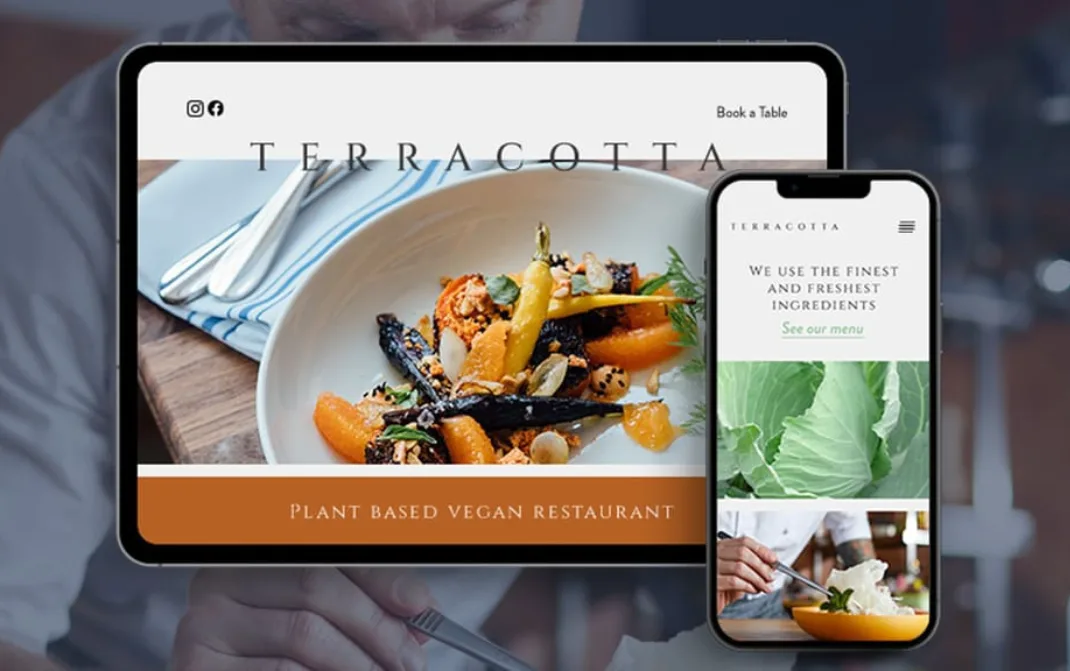
Today, most customers search for restaurants using smartphones. Whether they are looking for nearby dining options or checking menus while traveling, mobile browsing has become the standard.
A mobile-friendly restaurant website design automatically adjusts to different screen sizes so that content looks perfect on smartphones, tablets, and desktops. This ensures customers can easily read menus, view photos, and make reservations without difficulty.
Mobile responsiveness is also important for SEO. Search engines like Google prioritize mobile-optimized websites in search results. Restaurants with mobile-friendly websites are more likely to appear when customers search for dining options nearby.
2. Create a Clear and Attractive Online Menu
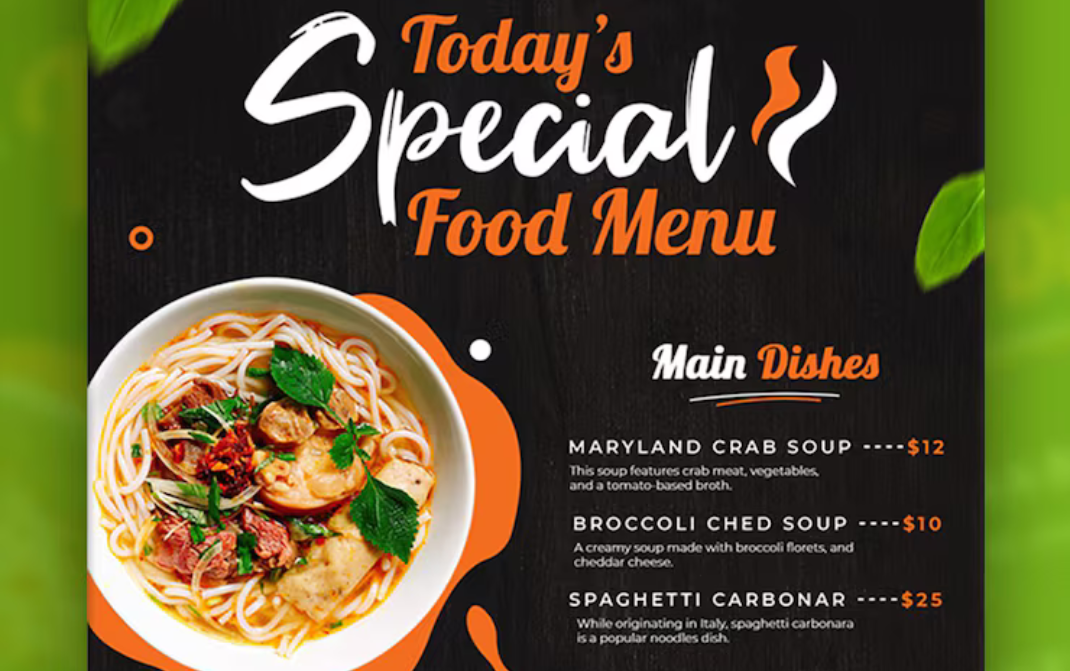
The menu page is often the most visited section of a restaurant website.
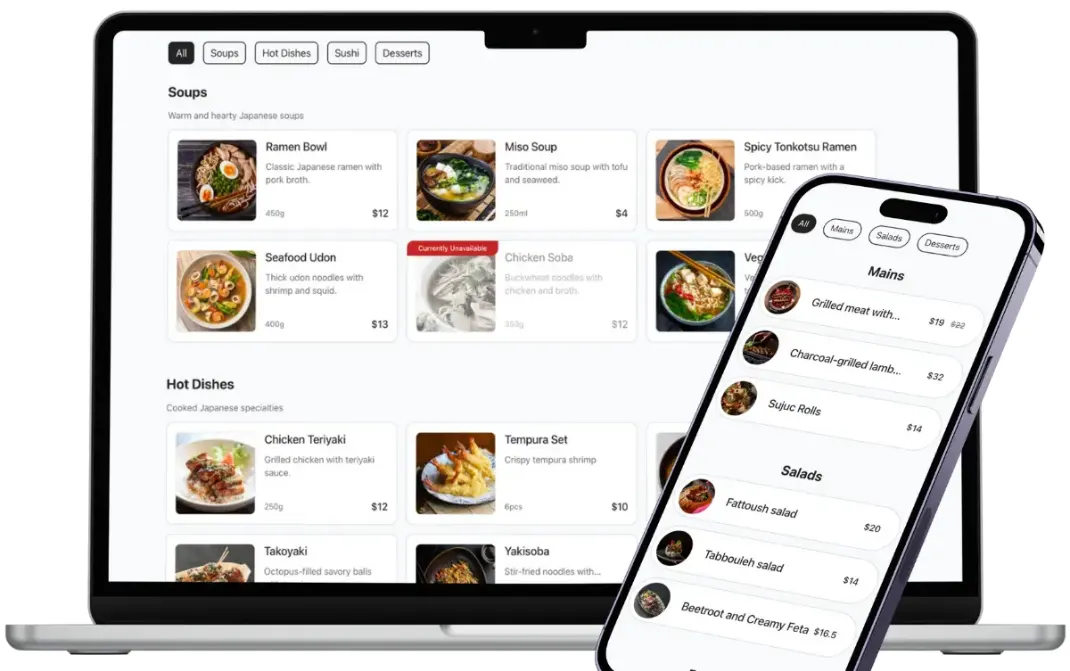
An effective online restaurant menu design should be simple, organized, and visually appealing.
Best practices include:
- Dividing dishes into clear categories
- Using readable fonts
- Including prices and descriptions
- Highlighting signature dishes
For example, your menu can include sections such as
- Starers
- Main Courses
- Desserts
- Beverages
Adding short descriptions helps customers understand ingredients and flavors. You can also highlight chef specials or popular dishes to encourage customers to try something unique.
3. Use High-Quality Food Photography
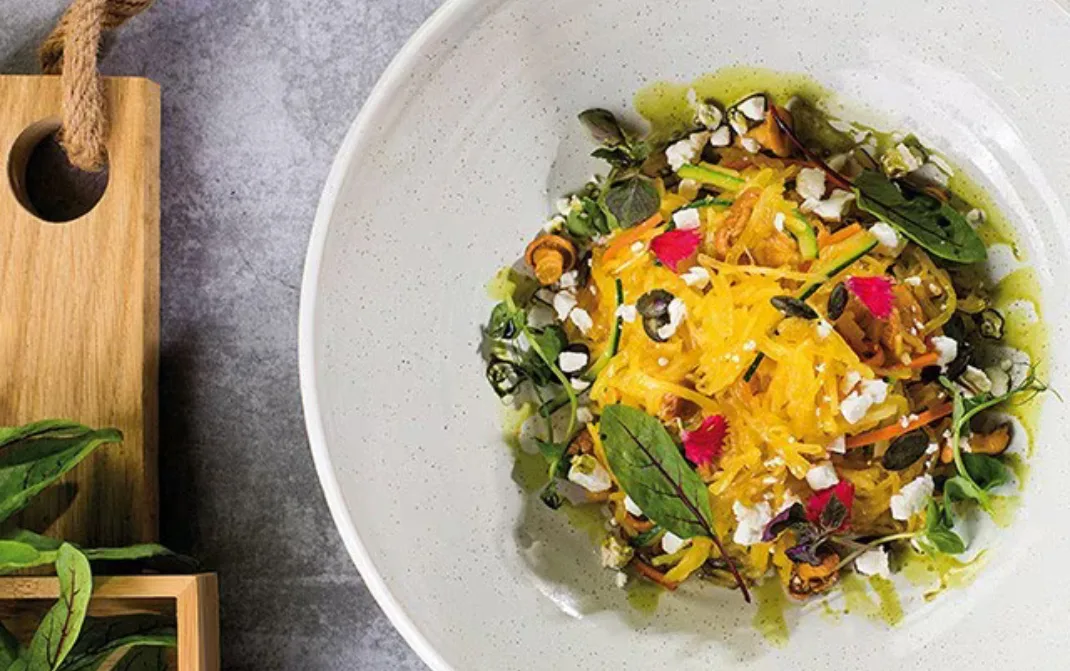
Food is highly visual, and attractive images can significantly influence customer decisions. High-quality food photography can make dishes look more appealing and encourage visitors to dine at your restaurant.
Professional images help customers imagine the dining experience before they even visit your location.
Your restaurant website should showcase:
- Popular dishes
- Signature meals
- Restaurant interior
- Dining atmosphere
Avoid using low-quality or generic stock images. Authentic photos of your food and restaurant environment help build trust and give visitors a real impression of what they can expect.
4. Add an Online Reservation System
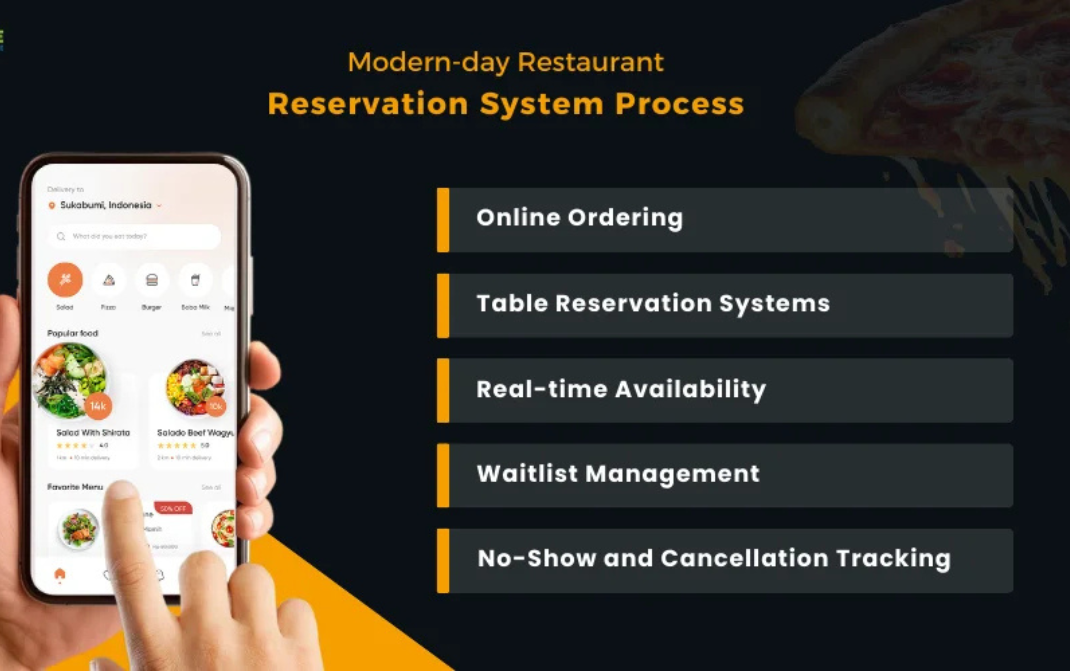
Convenience is one of the most important factors when customers choose a restaurant. Many diners prefer restaurants that allow them to book tables online quickly.
A built-in reservation system allows customers to choose:
- Date
- Time
- Number of guests
This feature simplifies the booking process and improves customer experience.
Online reservations also help restaurant owners manage bookings more efficiently. Automated confirmations and reminders reduce no-shows and ensure smooth table management during busy hours.
5. Improve Your Website Loading Speed
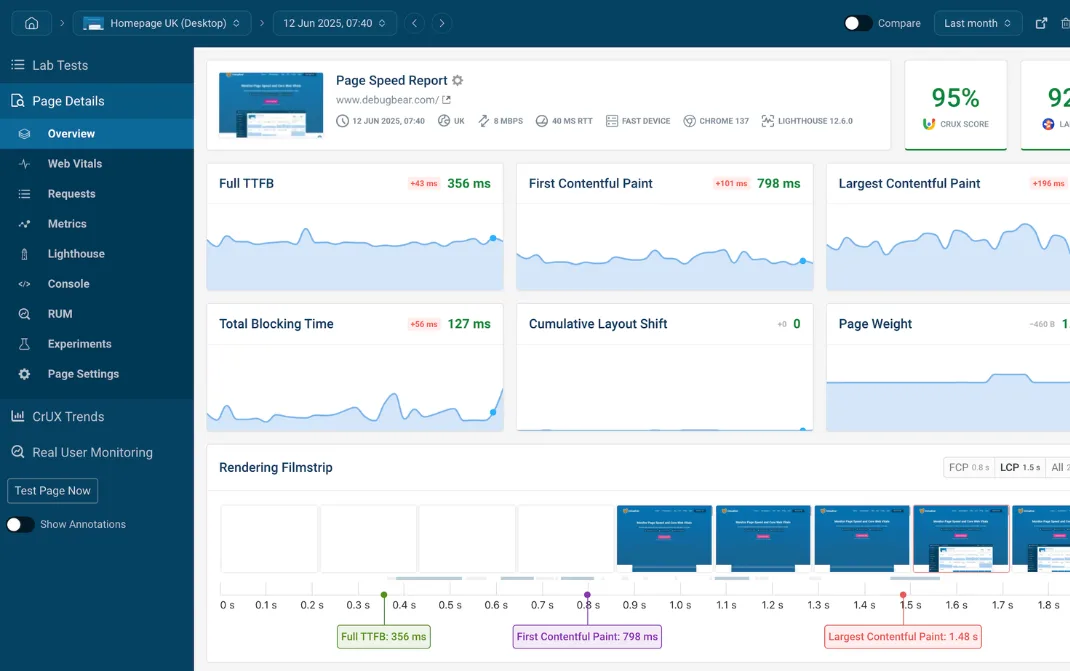
Website speed plays a critical role in user experience. If your website takes too long to load, visitors may leave before even exploring your menu or services.
Common reasons for slow websites include:
- Large image files
- Poor hosting services
- Excessive scripts and plugins
Optimizing images, choosing reliable hosting, and minimizing unnecessary code can significantly improve loading speed.
Fast websites provide a better user experience and also improve search engine rankings. Google prefers fast websites because they deliver better results for users.
6. Integrate Google Maps and Location Details
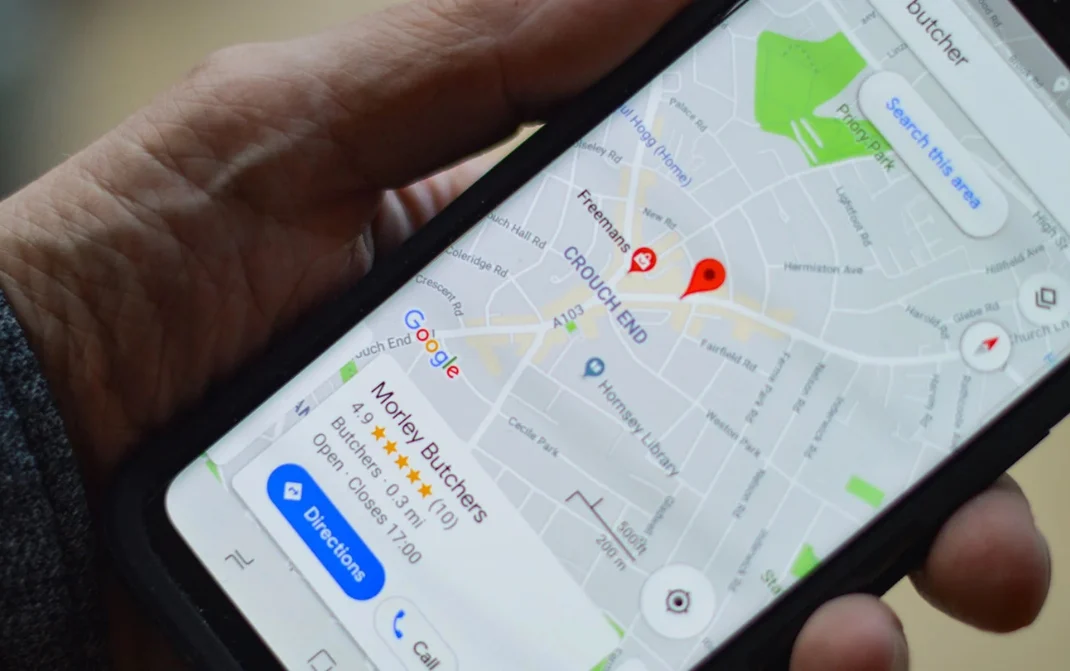
Many customers search for restaurants near their location and want quick directions. Including Google Maps on your website makes it easier for visitors to find your restaurant.
Your location section should clearly display:
- Full address
- Contact number
- Opening hours
- Google Maps integration
Providing accurate location details ensures customers can easily visit your restaurant. It also improves local SEO, helping your business appear in location-based searches.
7. Showcase Customer Reviews and Testimonials
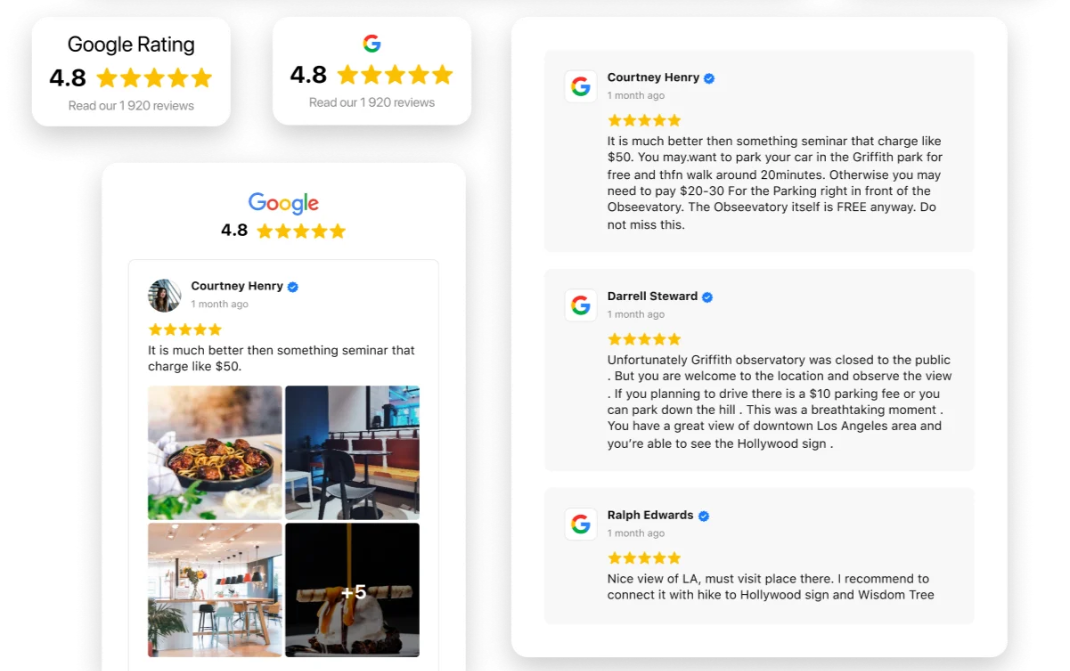
Customer reviews strongly influence dining decisions. Many people read reviews before visiting a restaurant for the first time.
Displaying positive testimonials on your website builds credibility and trust.
Reviews that highlight:
- Food quality
- Customer service
- Restaurant atmosphere
can encourage new customers to visit.
You can also include links to external review platforms such as Google Reviews or TripAdvisor to show authentic customer feedback.
8. Optimize Your Restaurant Website for Local SEO
Local SEO is essential for restaurants because most people search for dining options nearby.
To improve local search visibility:
- Use location-based keywords
- Add your restaurant address on the website
- Maintain consistent contact information
- Optimize your Google Business Profile
For example, if your restaurant is located in London, you might use keywords such as:
- “Best restaurant in south africa”
- “Italian restaurant in south africa”
- “South africa dining experience”
This helps your website appear when customers search for restaurants in your area.
9. Connect Your Website with Social Media
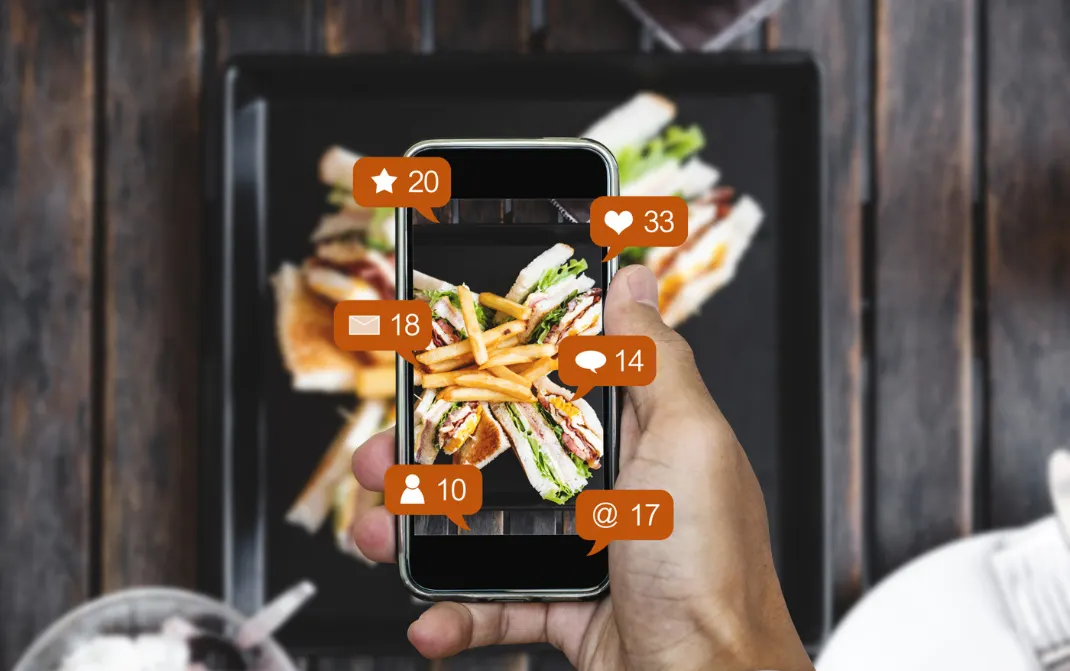
Social media platforms play a huge role in restaurant marketing. Many customers discover new dining spots through Instagram , Facebook.
Adding social media links to your website allows visitors to explore:
- Food photos
- Customer experiences
- Events and promotions
Some restaurants also display their Instagram feed directly on the website, showcasing real-time updates and popular dishes.
Regular social media activity keeps customers engaged and encourages repeat visits.
10. Add Clear Call-to-Action Buttons
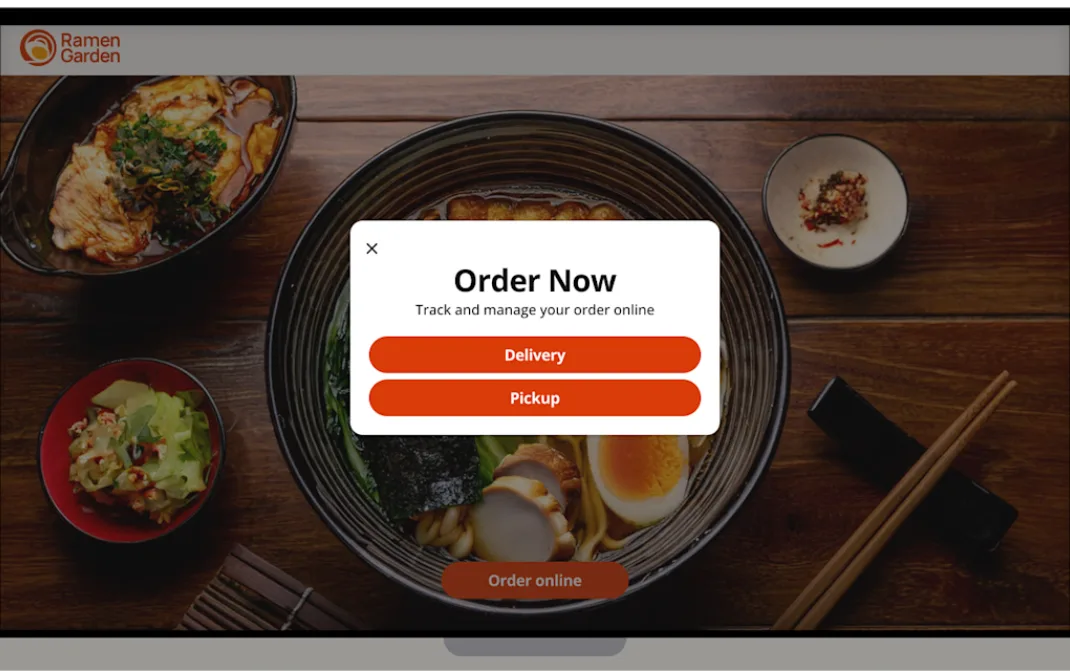
A successful restaurant website should guide visitors toward taking action. Clear call-to-action (CTA) buttons make it easy for customers to interact with your business.
Common restaurant website CTAs include:
- Book a Table
- View the Menu
- Order Online
- Contact Us
These buttons should be placed in visible areas such as the homepage, menu page, and contact section.
Effective CTAs increase the chances of converting website visitors into paying customers.
Common Restaurant Website Design Mistakes to Avoid
While designing a restaurant website, it is important to avoid mistakes that negatively affect user experience.
Common issues include:
- Slow website speed
- Poor mobile optimization
- Hard-to-read menus
- Outdated design layout
- Missing contact information
Avoiding these mistakes can significantly improve website performance and customer engagement.
Additional Features That Improve Restaurant Websites
Restaurant Story and Brand Identity
Sharing the story behind your restaurant helps build an emotional connection with customers. You can explain how your restaurant started, your culinary inspiration, and what makes your dining experience unique.
Online Ordering Integration
Many restaurants now offer takeaway and delivery services. Adding an online ordering system allows customers to place orders directly from your website.
This feature increases convenience and can boost overall sales.
Events and Promotions Section
If your restaurant hosts special events, live music nights, or seasonal offers, a dedicated promotions section can help attract more visitors.
Promoting events on your website encourages customers to return and experience something new.
Why Professional Restaurant Website Design Matters
A professional website is more than just an online brochure. It is a powerful marketing tool that helps restaurants attract customers and strengthen their brand presence.
Restaurants with modern and attractive websites stand out from competitors and create a positive first impression. A well-designed website can increase reservations, promote your menu, and improve overall customer engagement.
Investing in professional restaurant website design ensures that your business remains competitive in today’s digital marketplace.
Conclusion
A well-designed restaurant website plays a crucial role in attracting customers and improving the overall dining experience. From mobile-friendly design and fast loading speed to online reservations and high-quality food photography, every element contributes to better user engagement.
By implementing these 10 restaurant website design tips, restaurants can create a website that not only looks visually appealing but also encourages visitors to explore the menu, book tables, and place online orders.
In today’s competitive food industry, having a strong online presence is essential. A modern and optimized restaurant website helps customers easily discover your business and choose it as their next dining destination.
If you are looking to build a professional and high-performing restaurant website, the team at Best Web Design can help you create a website that attracts customers and drives more reservations. Contact Us today to learn how we can design a powerful website tailored to your restaurant’s needs.